Field stations, vehicles, building sites and other places where the network is weak or absent still generate data — and still need it kept. Local storage with on-device processing is the only architecture that works there, and it is exactly the deployment mode the woCyber platforms are built around. For integrators serving these markets, it ships as your own ruggedised product line.
Remote sites, moving vehicles and rural facilities cannot assume bandwidth. Any architecture that uploads first and processes later simply stops working when the link does.
When a device does fail in the field, a truck roll or a field visit costs far more than the hardware. Validation before shipping matters more, not less, in these markets.
Sensor logs, camera footage and operational records collected off-grid often have legal or scientific value. They need protected local retention and a disciplined path back to base.
Sensor feeds and camera data collect locally for weeks between connectivity windows, then sync back to base when a link is available. A local display shows current conditions without needing the internet.
Site cameras record to the on-site appliance; periodic stills build a time-lapse of the build. Footage stays with the site office until the project closes.
Course, instrument data and onboard cameras record to a compact unit below deck. At the marina, the same unit serves the footage to the owner’s devices over local Wi-Fi.
Greenhouse cameras and environment sensors log locally; the grower reviews trends on a small display instead of a cloud dashboard that needs signal the field does not have.
A low-draw unit records the journey and stores entertainment media for the road. Everything stays inside the vehicle until the travellers choose to offload.
Exhibit descriptions, restoration records and high-resolution imagery run from local storage on floor displays — no per-screen cloud subscription, no content drift.
A2 Pro — the compact field unit: 2 bays up to 48 TB in a desktop footprint that integrates into protective enclosures. A2 Pro specifications.
X4 NAS Server — for base stations and larger installations: 4 bays up to 120 TB and dual 2.5GbE. X4 specifications.
S1 AI NAS Security Kit — camera plus platform over PoE for sites that need eyes without a network team. S1 overview.
Platform selection for constrained power or harsh environments — including the validation and burn-in gates the hardware passes before shipping — is confirmed per project at technical evaluation.
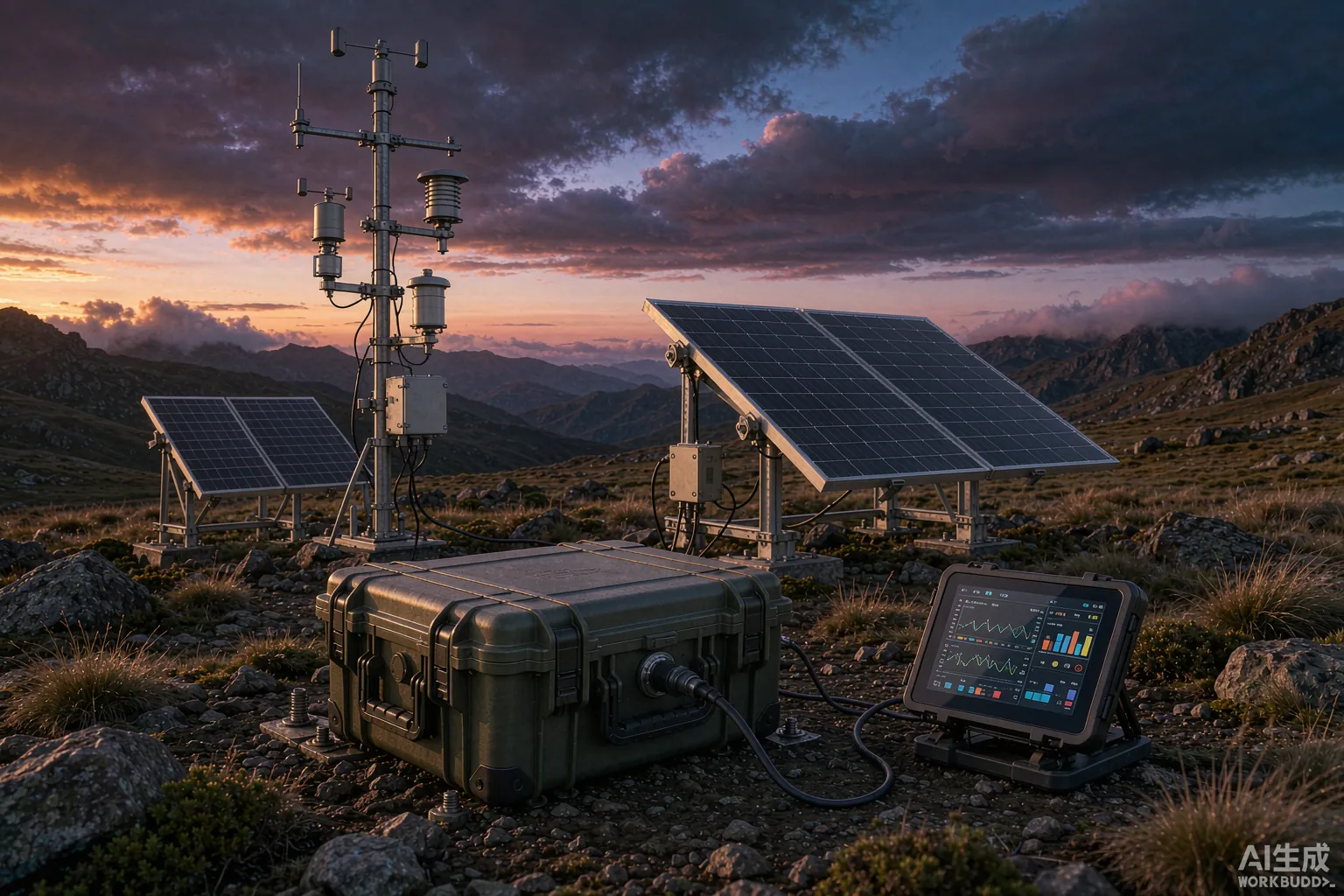
Illustrative rendering of the application environment, not a photograph of a specific deployment.
Kiosk-style local displays, sync-when-connected behaviour and sensor integration points are adapted in firmware to your application definition.
Your brand on the unit your integrators install, with packaging and documentation written for your market and channel.
Hardware inspection, functional and storage testing and burn-in where applicable happen before dispatch — because field service is the cost you are both trying to avoid.
Requirement review replies within one working day, usually within 24 hours. Start at the Security NAS OEM/ODM page or request the full OEM info pack.
{“@context”:”https://schema.org”,”@type”:”FAQPage”,”mainEntity”:[{“@type”:”Question”,”name”:”Do the platforms really work with no internet connection?”,”acceptedAnswer”:{“@type”:”Answer”,”text”:”Yes. Recording, storage, local displays and on-device processing run without any external connectivity. Functions that need a link are scoped explicitly so you know what works offline.”}},{“@type”:”Question”,”name”:”How does data get back to base from a remote site?”,”acceptedAnswer”:{“@type”:”Answer”,”text”:”The unit retains everything locally and synchronises over whatever link becomes available, on a schedule you define. The sync design for your deployment is documented in your technical proposal.”}},{“@type”:”Question”,”name”:”Can the hardware integrate into our own enclosure design?”,”acceptedAnswer”:{“@type”:”Answer”,”text”:”Enclosure treatment is part of the hardware customization scope. What is feasible for your design is assessed at technical evaluation and confirmed in writing.”}},{“@type”:”Question”,”name”:”What testing happens before the unit ships?”,”acceptedAnswer”:{“@type”:”Answer”,”text”:”Hardware inspection, functional testing, storage testing, burn-in testing where applicable and final inspection are the standard gates.”}},{“@type”:”Question”,”name”:”What certification applies to these products?”,”acceptedAnswer”:{“@type”:”Answer”,”text”:”woCyber platforms carry CE, UKCA, FCC, RoHS, REACH and WEEE. Which certificates your destination market requires is confirmed in writing at quotation.”}}]}
