Leo · 2026-09
Choosing a B2B NAS supplier comes down to the document you send out, not the quotes you get back. An RFQ that names the specification, the MOQ tier, the tooling owner, the warranty term and the certification file makes every reply comparable; one that does not invites four prices for four different products.
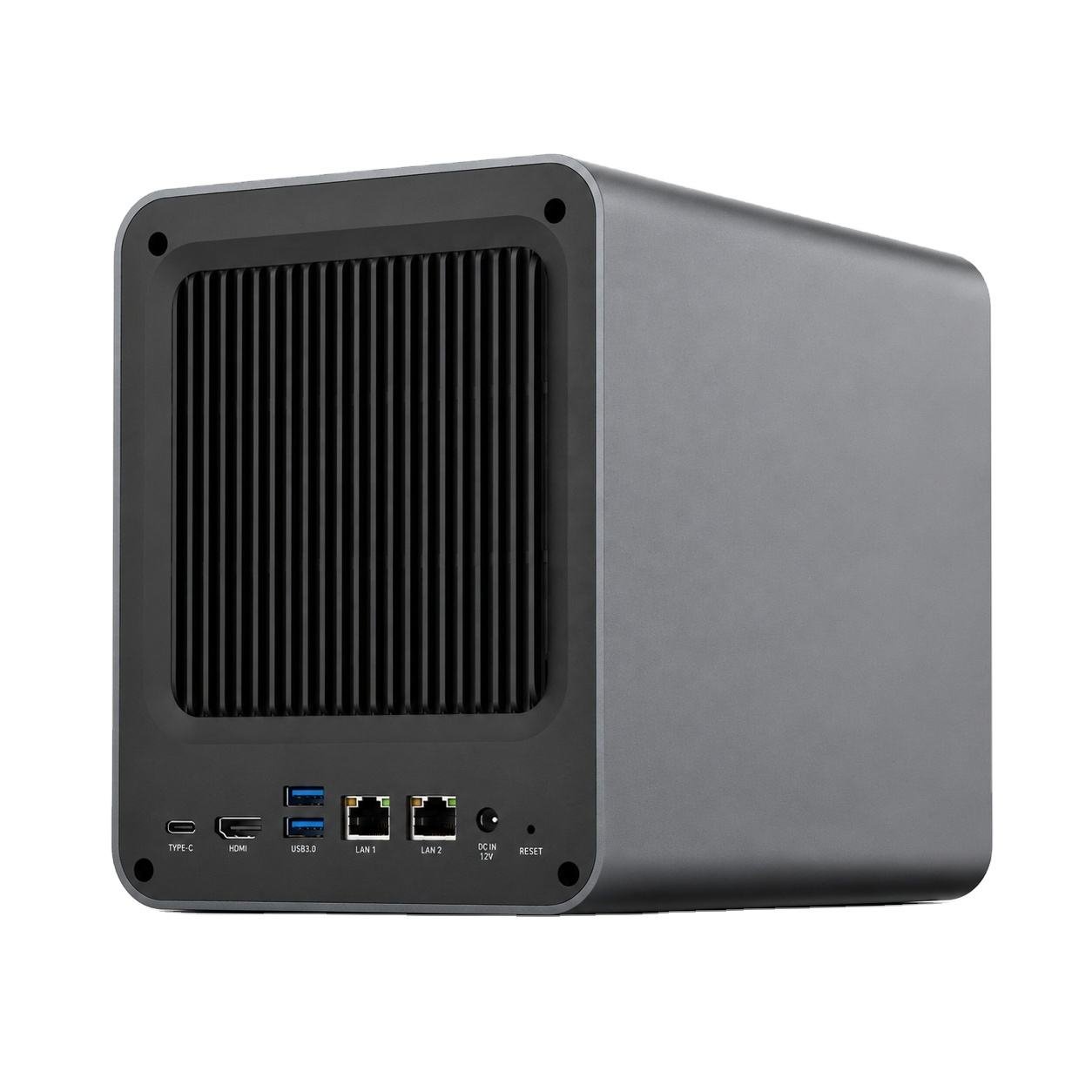
Six fields do most of the work for a B2B NAS supplier quote: bay count, memory and boot storage, network ports, drive support, firmware and app requirements, and the documentation set.
Write the specification as a list the supplier can answer line by line. Bay count, processor class, memory, boot storage, supported RAID levels, tray type, and the OEM options you expect to use later — larger memory, more boot storage, additional port speeds, a cache slot. A factory can answer that in one pass. A request for “a NAS for our client sites” comes back as four different machines, and the four prices that follow cannot be ranked at all.
The point of the field list is to remove judgement from the reply. If the specification states four bays, 8 GB of memory and two 2.5GbE ports, then a supplier that quotes a two-bay unit has answered the question rather than dodged it. woCyber publishes the same field list on every product page, so the RFQ can be assembled from a datasheet instead of from memory.
Seven lines do it: unit price against a named MOQ tier, tooling, non-recurring engineering, samples, warranty with spare parts, payment terms, and the documentation set.
| Quote line | Incomplete reply | Complete reply |
|---|---|---|
| Unit price | One figure with no volume attached | Price stated against a named MOQ tier |
| Tooling | Not mentioned | Amortized into the unit price or invoiced separately, with ownership stated |
| Non-recurring engineering | Folded silently into the unit price | Quoted per project, with the volume at which it is credited |
| Samples | Handled informally | Charged at the published unit price, then credited in full against the first mass-production order |
| Warranty and spare parts | A vague term | 3 years on hardware, plus spare parts across the project lifecycle |
| Payment | Unstated | 30% with the order, 70% against the bill of lading |
| Documentation | “Compliance included” | CE, UKCA, FCC, RoHS, REACH and WEEE, ISO 9001, an ONVIF conformance statement, and EAN / UPC listing codes |
Every line in the complete column has one property in common: it can be checked against a document. woCyber publishes these terms in its OEM and ODM program pages, so a buyer can copy them into a comparison sheet instead of negotiating each line from a blank page.
Because quotes price different scopes: one covers the unit alone, another bundles tooling, packaging and documentation, and a third assumes a drive configuration nobody asked for.
A quote that omits tooling, engineering, packaging, documentation and warranty handling is not cheaper. It is unfinished. The number is real, but the scope behind it is not, which is why the second question after “how much” should always be “for exactly what”.
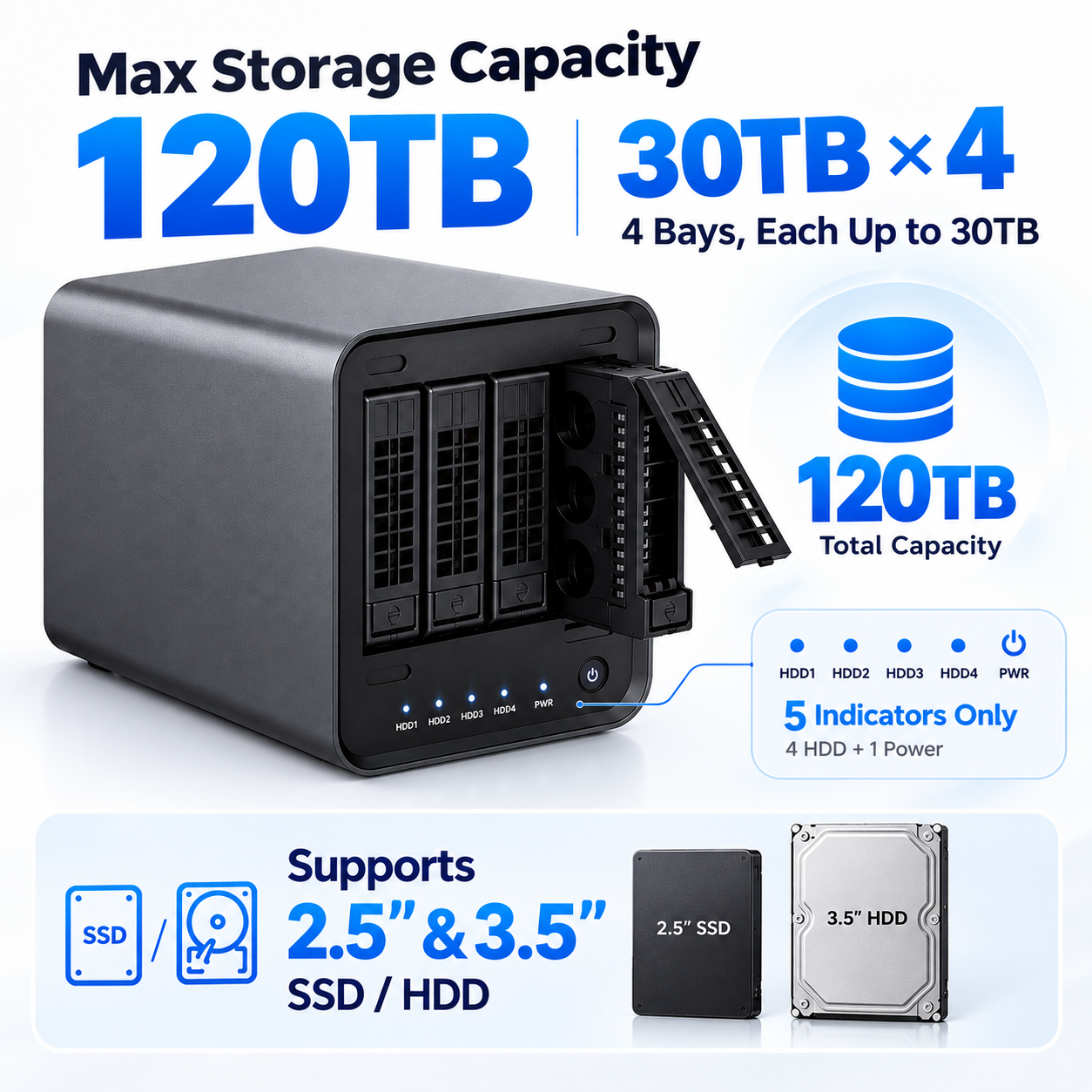
The gap widens with the specification. A four-bay unit with two 2.5GbE ports and a 120 TB ceiling is a different machine from a two-bay unit with a single GbE port and a 48 TB ceiling, and once the port count and bay count are on the page, the difference shows up in the quote as a scope difference rather than a discount.
Order size changes it by dividing every fixed charge: the same tooling invoice adds one cent per unit at 100 units and a tenth of a cent at 1,000 units.
The formula is short. Fixed charge per unit = total fixed charges ÷ order quantity. Take $100 of tooling or engineering: it adds $1.00 per unit at 100 units, $0.20 per unit at 500 units, and $0.10 per unit at 1,000 units. Nothing about the factory changed between those three figures. Only the divisor did.
That is why the MOQ tier attached to a price means more than the price itself. Reconfiguration orders start at 100 units per SKU; a project that needs a new PCB respin or enclosure tooling starts at 1,000 units. A quote that names neither tier is not a quote yet.
The same arithmetic applies to samples. They are charged at the published unit price and the fee is credited in full against the first mass-production order, so the sample line nets to zero once the program converts. A B2B NAS supplier that states the credit on the quotation saves its buyer an email thread and a budgeting argument.
Consider a hypothetical rollout where a 25-person managed service provider standardizes storage for 12 dental clinics and receives four replies to one spec sheet. Three of the replies quote a unit price with no volume attached, no tooling line and no warranty term, so the lowest number on the page belongs to the least complete document. The operations lead rebuilds the comparison around the seven lines above, asks all four suppliers to restate against the 100-unit tier, and finds the apparent gap between first and fourth place was mostly scope, not price.
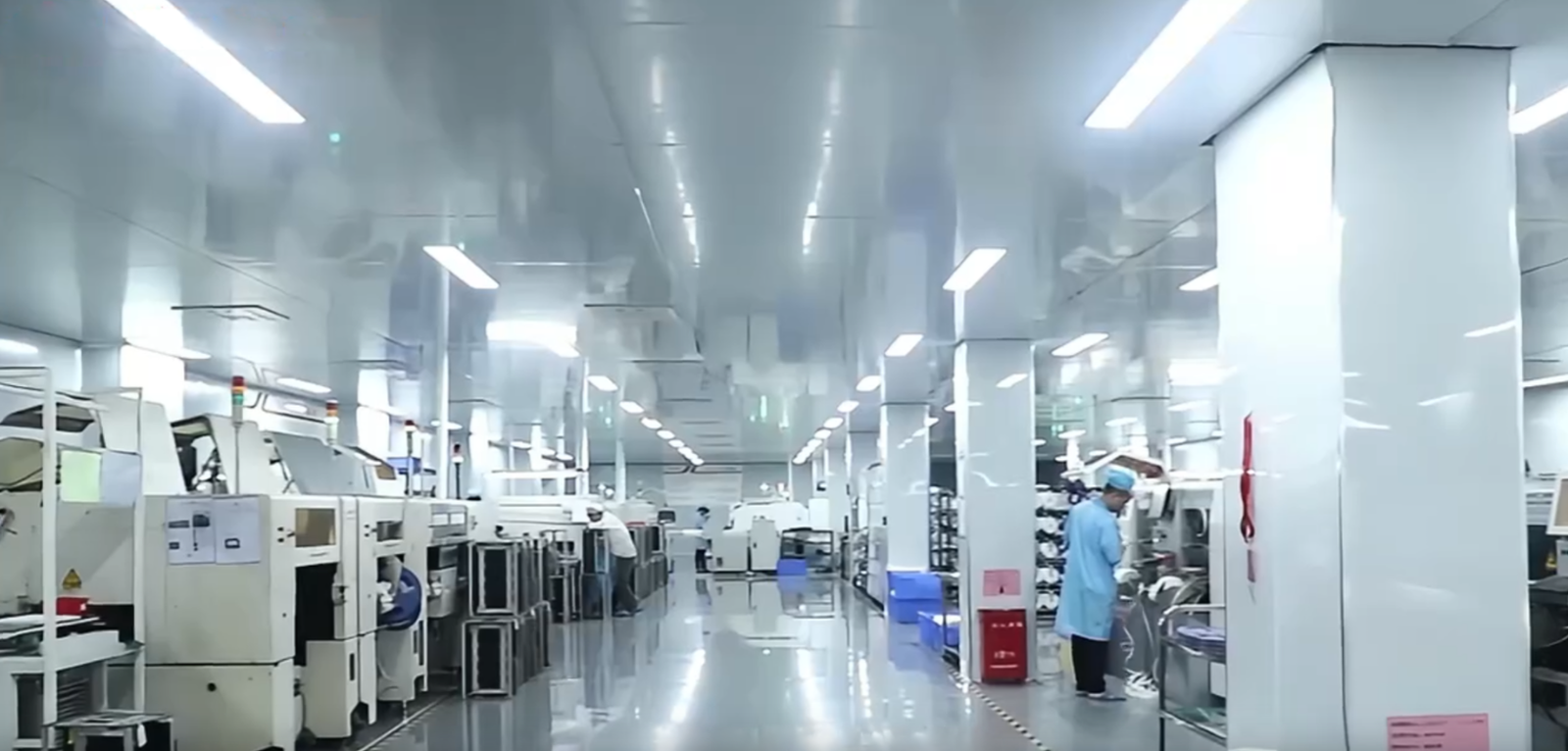
Ask every B2B NAS supplier for batch evidence, because documentation is the difference between a claim and a record: burn-in and inspection results should travel with the shipment rather than stay in the factory.
Request the sequence rather than the slogan. Every unit passes functional test, a 72-hour burn-in test chamber and 100% outgoing inspection, and the reports are archived per batch, so a buyer can trace a shipment back to the day it was tested. ISO 9001 sets requirements for the quality management system rather than for the product, which is exactly why the useful question is how that system shows up in batch records.
Camera interoperability is a separate artifact again: the ONVIF conformance statement covers it, and it is not the same document as the safety and radio certifications. Keeping the two apart prevents a compliance file from being read as a product performance claim.
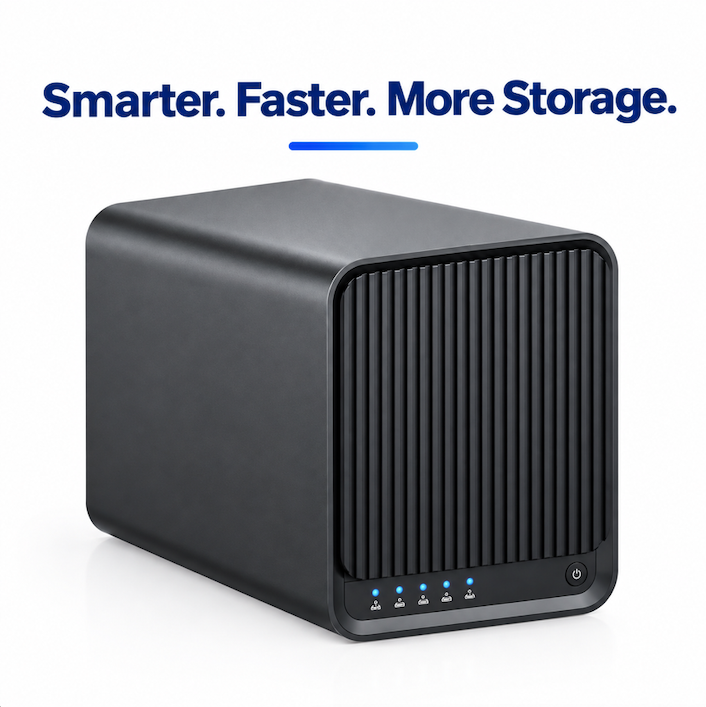
Choose the model whose capacity ceiling covers your largest site and whose ports cover your busiest site, then buy the same unit everywhere the budget allows.
For a mixed fleet, the X4 4-bay enterprise platform carries 4 bays and a 120 TB ceiling, an Intel N100 processor, 8 GB DDR4 memory expandable to 16 GB under OEM configuration, 64 GB eMMC boot storage expandable to 128 GB, and two 2.5GbE ports that can be aggregated or used for failover up to 5 Gbps. RAID 0, 1, 5, 6 and 10 run on tool-less 2.5-inch and 3.5-inch trays, the aluminum chassis uses a steel mid-frame and active multi-fan thermal control, and hardware 4K transcoding and container support are part of the platform. A 10GbE mix and an NVMe cache slot are available as OEM options.
Where a smaller footprint is enough, the A2 Pro 2-bay compact platform pairs an RK3568 processor with a 1 TOPS NPU for on-device inference, 4 GB DDR4 memory, 16 GB eMMC boot storage expandable to 16 or 32 GB under OEM configuration, a 48 TB ceiling, a single GbE port and RAID 1. It supports ONVIF and PoE cameras with Bluetooth pairing, and it is positioned for broadband and smart home service bundles, which is useful when the volume order is going into a service provider’s package rather than a retail box.
Before either model number reaches a purchase order, read the manufacturing and quality process, because capacity and batch evidence live there rather than in the price list. Buyers who want to test the platform before the volume order can start through the private label route that US brands use, which keeps the hardware identical and changes the branding.
Ask for a price per unit at three named tiers on one specification, 100 units, 500 units and 1,000 units, and compare the slope rather than the single number.
Fixed charges create that slope, so the tier a quote is written against belongs on the page next to the price. It also helps to separate what moves with volume from what does not: tooling ownership transfers on final payment regardless of order size, while regional exclusivity follows a committed annual volume rather than a single shipment. Two buyers can hold identical product terms and still sign different agreements, which is why the commercial schedule and the technical specification belong in the same document.
One more test of a reply: whether it names the tier where engineering is credited. A quote that carries an engineering charge with no credit threshold has priced the work once; a quote that states the threshold has priced the whole program. The difference matters most in the middle of the range, where orders of 500 units are common and the fixed-charge divisor changes twice. woCyber sets its published thresholds at 100 units per SKU and 1,000 units where tooling is involved, so the divisor is visible before the RFQ goes out rather than after the comparison sheet is built.
Ask for tooling, non-recurring engineering, sample handling, packaging, warranty with spare parts, payment terms and the documentation set. A unit price on its own cannot be compared with a competing reply, because the two documents may cover different scopes of work.
It is not stable. Fixed charges such as tooling and engineering are divided by the order quantity, so the same invoice adds $1.00 per unit at 100 units and $0.10 per unit at 1,000 units. Always confirm which tier the price assumes.
Reconfiguration orders start at 100 units per SKU, and projects requiring a new PCB respin or enclosure tooling start at 1,000 units. The threshold applies per SKU, so a buyer can validate one model before committing the rest of the range.
Samples are charged at the published unit price, and the fee is credited in full against the first mass-production order. The sample line therefore nets to zero once the program converts, which makes it worth confirming that the credit lands on the first order rather than a later one.
CE, UKCA, FCC, RoHS, REACH and WEEE for market access and materials, an ISO 9001 certificate for the quality system, and an ONVIF conformance statement for camera interoperability. Ask for the test reports that match the exact configuration on the purchase order.
We are the factory: SMT to shipment under one roof, R&D in Beijing, mass production in Shenzhen. Factory-direct pricing without trading-company markups.
White Label NAS Program for Regional Distributors: SKU Ladder, Branding Rights and Launch Costs A white label NAS for regional distributors is…
October 1, 2026Retail NAS SKU for Big Box Channel Partners: How Retailers Specify a Storage Line A retail NAS SKU for big box channel…
September 30, 2026NAS Manufacturing USA: Sourcing Guide for 2026 Brands Most NAS manufacturing USA comparisons start with the assembly line. The invoice disagrees. On…
Ask our export team for the OEM/ODM cooperation guide and a written quotation.